

The pokies don’t care whether you’re down on your luck or riding high on a Tuesday arvo. They just keep spinning, humming that same digital tune while you tap your phone and hope the numbers line up. A lot of punters around the country have swapped out the old card details and bank transfers for something quicker, and the shift has changed how we talk about playing online. You load up, you tap a few buttons, and if the symbols fall right, the win hits your account faster than a flat white at a busy café.
PayID has slipped into the everyday rhythm here because it feels familiar. You’re already using it to split a pub bill or pay the tradie, so why not use it when you want to try your luck on the reels? The setup is usually straightforward, and that matters when you’re staring at a screen after a long shift at the site or the shop. Speed counts, but so does knowing where you’re putting your money and what happens when the luck runs out.
Not every site treats the payment method the same way, and that’s where the fine print starts to matter. Some operators push it hard because it cuts down on friction, while others keep it tucked behind a few extra steps. The difference shows up when you’re trying to move money in and out without waiting on hold or jumping through hoops. A smooth path from deposit to withdrawal is worth more than a flashy welcome bonus that takes forever to clear.
If you’re scouting for a place that actually respects the local market, you’ll want to look past the slick banners and check how the payments work in practice. A few operators have built their whole pitch around quick transfers and local options, and that’s where names like Joe Fortune tend to show up in the conversation. The comparison isn’t just about who has the biggest sign-up offer; it’s about who keeps the money moving without making you fill out the same form twice.
How PayID changed the way we play pokies
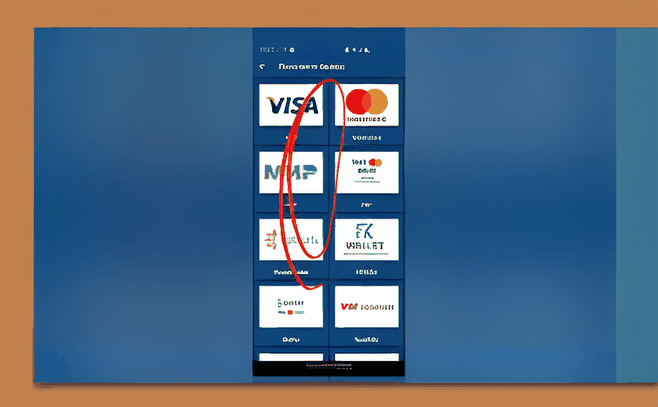
The old way of moving money around involved card numbers, delayed clearances, and a fair bit of waiting around for a confirmation email that never seemed to arrive. PayID swapped that for a simple identifier, usually a mobile number or email, that links straight to your bank account. For a lot of Australians, that’s the difference between a clunky process and something that feels like paying for a round at the local.
The change matters most marrywalker.bloggersdelight.dk when you’re playing on a break or after work, when you don’t want to spend ten minutes fiddling with a payment form. You pick the option, enter the identifier, and the money moves while you’re still deciding which game to try. It’s not magic, but it’s a lot less friction than the old bank transfer dance, and that’s why it’s caught on so quickly across the country.
There’s a quiet convenience in not having to dig out card details every time you want to top up. You can keep the payment method saved, move money in a few taps, and get back to the game without the whole thing feeling like a chore. That convenience has made it a go-to for players who want the payments to stay out of the way while they focus on the reels.
What to look for when you want to win slots PayID
The phrase gets thrown around a lot, but the real question is whether the site actually supports the method the way you’d expect. A good setup means the deposit goes through quickly, the balance updates without a lag, and the withdrawal path is clear from the start. You don’t want to find out halfway through that the method works for deposits but makes a mess of the payouts.
Look for operators that spell out the limits, the timing, and any fees before you commit. The last thing you want is a surprise hold-up when you’re trying to cash out after a decent run. A transparent payment section tells you most of what you need to know, and it’s worth reading it before you sign up rather than after.

It also helps to check whether the operator treats local players like local players, not like an afterthought tacked onto a global site. The ones that get the local rhythm right usually have payment options that match the way people actually bank here, and that includes PayID as a proper feature rather than a token mention.
Speed and limits when you’re moving money
Speed is the obvious selling point, but the limits matter just as much once you’re past the first deposit. Some sites cap how much you can move in a day or a week, and that can shape how you play if you’re trying to manage your bankroll without jumping through hoops. The timing between deposit and withdrawal can vary too, so it’s worth checking what the operator actually says about processing.
A smooth payment flow should feel boring, in the best possible way. You put money in, you play, you take money out, and none of it turns into a project. When the process is clunky, it drags on the whole experience, even if the games themselves are solid. That’s why players who care about the practical side keep an eye on the payment terms before they get swept up in the banners.
The reality is that quick deposits are only half the story. If the withdrawal side is slow or buried in fine print, the convenience starts to feel one-sided. A site that treats both ends of the transaction properly is usually the one worth sticking with, especially if you’re playing regularly rather than just dipping a toe in.
A quick look at the local operators
The Australian market has its own shape, and the operators that do well here tend to understand that shape instead of trying to force a generic template onto it. You’ll see a mix of local-facing sites and bigger international names, and the difference often shows up in how they handle payments, support, and the little details that make a site feel built for the region.
Joe Fortune has positioned itself as one of the leaders of the Australian market, and that’s reflected in the way it handles the practical side of play. The comparison isn’t just about branding; it’s about whether the operator’s payment options, game selection, and support line up with what local players actually want. When you’re weighing options, that kind of fit matters more than a flashy logo.
The local angle also shows up in how sites talk about bonuses and terms. The ones that get it right usually keep the wording clear and the timing reasonable, rather than hiding behind conditions that only make sense after you’ve already signed up. That’s the kind of detail that separates a site you come back to from one you leave after a single session.
| Operator | Payment focus | Local fit | Notes |
| Joe Fortune | PayID and local methods | Strong | Often cited as a market leader for Australian players |
| Other local-facing sites | Mixed local options | Varies | Check limits and timing before signing up |
| Bigger international brands | Broader payment mix | Can feel generic | May not tailor the experience as closely |
Reading the fine print before you deposit
The terms around payments can be dry, but they’re worth a proper read because they shape what happens when you want to move money. Some operators set minimum and maximum amounts that can catch you off guard if you’re used to playing in a certain range. Others layer in verification steps that are standard but still worth knowing about before you start.
A clear payment page should tell you what you can deposit, what you can withdraw, and how long the whole thing usually takes. If that information is buried or vague, it’s usually a sign to slow down and look elsewhere. The boring details are the ones that decide whether the experience stays smooth or turns into a back-and-forth.
Verification is part of the landscape too, and it’s not something to treat as a nuisance without understanding why it’s there. The checks are standard for licensed operators, and they’re meant to keep the account and the transactions in order. Knowing what documents you might need up front saves time later, especially if you’re planning to move money more than once.
Testing the waters without overcommitting
It’s sensible to start small and see how the payment flow works before you put much behind it. A modest first deposit lets you check that the method goes through cleanly, the balance updates as expected, and the withdrawal path is there when you need it. That approach keeps the whole thing manageable while you get a feel for the site.
Some players like to try a demo or a low-stakes session first, just to see how the games and the interface behave without risking much. That’s a fair way to ease in, and it pairs well with a payment method that doesn’t make the first step feel like a production. If you want to see how a game plays before you commit, you can spin up a big bass splash demo and get a sense of the rhythm before you put money behind it.
The point is to keep the first move simple and observable. If the deposit goes through, the game loads, and the withdrawal terms look reasonable, you’ve got a decent starting point. If anything feels off, you’ve only committed a small amount and can step back without much fuss.
Keeping it sensible when the reels start singing
The games are built to keep your attention, and that’s exactly why a bit of discipline matters. Setting a limit before you start is the simplest way to keep the session from drifting into something you’ll regret later. It’s not about killing the fun; it’s about making sure the fun stays fun and doesn’t turn into a bill you didn’t plan for.
A good rule is to decide what you’re comfortable with before you tap the first deposit, and then stick to that decision even when the reels start looking friendly. The temptation to chase a run is real, but it’s the kind of habit that turns a pleasant evening into a messy one. Keeping the boundaries clear helps the whole thing stay light.
If you’re ever unsure where to draw the line, it helps to treat the money like money, not like a ticket to a story you haven’t finished writing. The wins are great when they come, and the losses are part of the same picture. The trick is to keep both sides inside a range you can live with, so the session ends as a night out rather than a headache.
Getting help and staying on the right side
No one starts a session planning to lose control, but the line can blur faster than you’d think when the games are loud and the pace is quick. That’s why it’s worth knowing where to turn if things start to feel heavier than they should. Local support and responsible play resources exist for exactly this reason, and they’re there to help before a bad run turns into something bigger.
Claire Lee, Head of Product, Capital Territory Gaming Forum, puts it plainly: “Payment speed is convenient, but it shouldn’t outpace the player’s sense of control, so sites need to make limits and support easy to find.” That kind of thinking sits behind a lot of the better-localised setups, where the practical side and the safety side are treated as part of the same package.
If you want to keep an eye on the wider conversation around local play and responsible habits, it’s worth reading up from sources that cover the region properly, like the local news outlet. Staying informed helps you spot when a site is making things easy in the right way and when the convenience is masking a mess.
Quick checks before you sign up
A few simple checks can save you a lot of hassle later, and they don’t take long if you know what to look for. The goal is to make sure the payment method, the terms, and the support all line up before you put money in.
- Check that PayID is listed as a proper deposit option, not just mentioned in passing.
- Read the withdrawal timing and limits before you deposit, not after.
- Look for clear bonus terms so you know what you’re actually signing up for.
- Confirm the verification steps so you’re not caught out when cashing out.
- Make sure support is reachable in a way that suits you, not just buried in a FAQ.
- Start with a small amount if you’re trying a new site for the first time.
- Keep your session limits in mind before the reels start pulling at your attention.
Good habits for a smoother session
A bit of routine goes a long way when you’re playing online, and the habits that work are usually the boring ones. They keep the experience steady and stop a fun session from sliding into something you’d rather not replay in your head.
- Decide your spend before you log in and treat that number as the ceiling.
- Use the payment method that feels simplest to you, but only after you’ve checked the terms.
- Take breaks during longer sessions so the pace doesn’t blur your judgment.
- Keep track of wins and losses in your head or on paper so the picture stays clear.
- Step away if the session starts feeling like a chase rather than a game.
- Use any limit tools the site offers instead of relying on willpower alone.
- Treat the withdrawal as part of the plan, not an afterthought at the end.
Ready when you are
If you’ve weighed the payment side, checked the terms, and decided the site fits the way you play, the next step is straightforward. You pick a place that treats local players properly, set your limits, and start with a amount that keeps the whole thing comfortable. The wins are better when the setup is clean, and the losses hurt less when the boundaries are already in place.
When you’re ready to try a site that moves money without making a production of it, go in with your eyes open and your limits set. A smooth payment path, a clear terms page, and a game you actually want to play are the three things worth looking for before you tap that first deposit.